

Corn Fiber Carpets Gain Attention in Sustainable Flooring Industry
Industry Trends & Eco Innovation • Since 1998
Corn Fiber Carpets: Revolutionizing Sustainable & Eco-Friendly Commercial Flooring
Bio-Based Triexta PTT Polymer | 63% Reduced Carbon Footprint | Permanent Built-In Stain Protection
Key Market Highlights & Sustainability Drivers:
100% Renewable Origin: Synthesized from natural corn starch glucose (Bio-PDO), replacing up to 37% petroleum components.
Superior Eco-Efficiency: Consumes 30% less energy and emits 63% fewer greenhouse gases during fiber synthesis compared to standard Nylon 6,6.
Permanent Molecular Stain Resistance: Stain-blocking properties are woven into the molecular chain rather than applied via temporary topical sprays.
High Resilience & Tactile Comfort: Unique kinked molecular structure offers excellent elasticity for high-traffic hotel guest rooms and modern residences.
As environmental building certifications such as LEED, BREEAM, and WELL become standard requirements for international construction projects, bio-based contract textiles are rapidly capturing market share. Among emerging renewable materials, corn fiber (Triexta PTT polymer) has taken center stage in modern tufted carpet manufacturing, offering a high-performance alternative to traditional petroleum-dependent synthetic yarns.
Engineers at China MJS Carpet emphasize that corn-derived PTT fibers successfully bridge the gap between ecological responsibility and industrial-grade durability. By converting crop glucose into bio-propanediol (Bio-PDO), carpet manufacturers can now deliver luxurious cut-pile and loop-pile commercial floor coverings that substantially reduce life-cycle carbon footprints without sacrificing wear longevity.
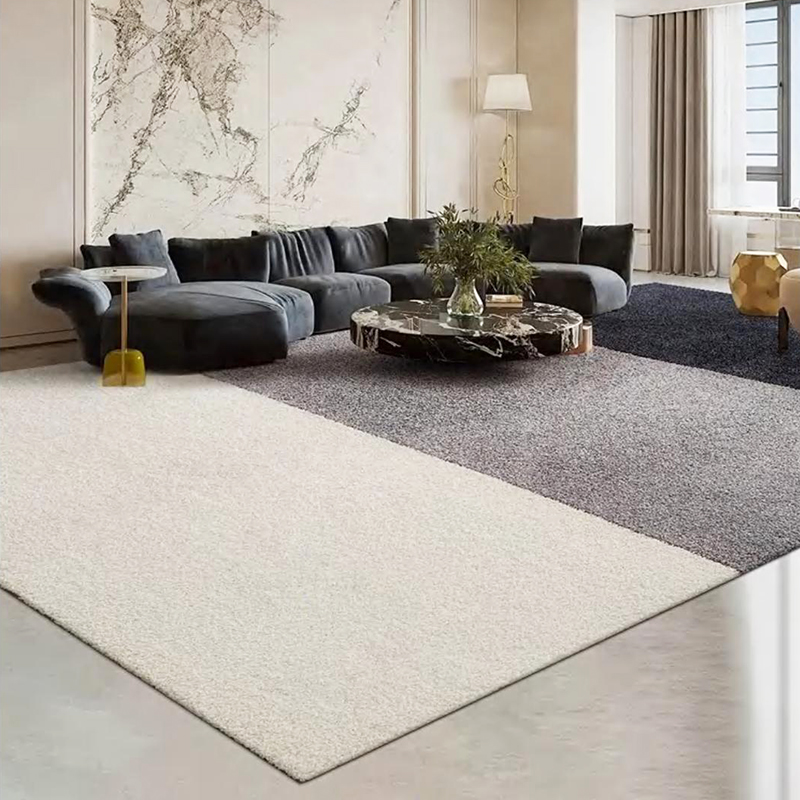
Bio-based tufted carpet manufactured from renewable corn starch polymer, designed for eco-conscious residential and commercial interiors.
Performance Characteristics Driving Commercial & Residential Demand
Because protective properties are integrated into the polymer chain, corn fiber carpets resist deep liquid penetration and pet stains. Unlike chemical coatings, this resistance never washes or wears off over time.
The spring-like molecular matrix of PTT fiber allows pile yarns to quickly rebound after heavy foot traffic or castor wheel movement, maintaining structural appearance in hotel rooms and living spaces.
Corn fiber naturally possesses a softer touch than rigid nylon filaments. Furthermore, its ultra-low volatile organic compound (VOC) profile fosters healthier indoor air quality (IAQ).
"The transition toward bio-based corn polymers marks a defining shift in contract carpet manufacturing. It enables project developers to meet stringent global carbon-neutral goals without compromising on pile durability or visual elegance."